Insider rug cleaning tips for Walthamstow Village period homes
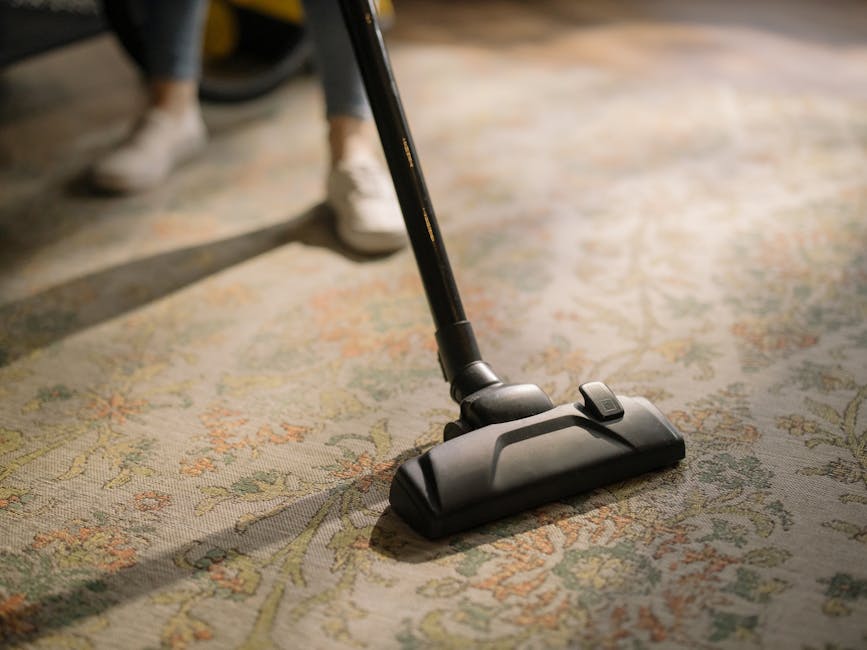
Period homes in Walthamstow Village have a charm you can feel the moment you walk in: creaking floorboards, original features, a bit of draught around the skirting, and rugs that often carry more history than the room itself. The trouble is, those same beautiful details can make rug care trickier than expected. Old timber floors, delicate natural fibres, and years of layered dust all change how you should clean, dry, and protect a rug. These insider rug cleaning tips for Walthamstow Village period homes are designed to help you keep that lived-in beauty without causing avoidable damage.
Whether your rug is sitting in a Victorian front room, an Edwardian hallway, or a converted space with original plaster and tricky ventilation, the goal is the same: clean it safely, preserve its character, and avoid the kind of over-wetting or harsh treatment that can shorten its life. Let's get into the practical stuff.
Why Insider rug cleaning tips for Walthamstow Village period homes Matters
Rugs in period properties do more than soften a room. They protect floor finishes, add warmth in older houses, and help reduce the echo you get in rooms with high ceilings and hard surfaces. But they also take the brunt of everyday life: shoes from the hallway, pet hair, candle soot, spilled tea, muddy winter footprints, and the fine dust that seems to settle everywhere in London. If a rug is cleaned the wrong way, the damage may not show immediately. It can creep up slowly: colour fade, wool distortion, shrinkage, backing damage, or that slightly musty smell nobody wants to admit is there.
Walthamstow Village homes present a few extra challenges. Many period interiors have older underlays, uneven boards, fireplaces, and not always brilliant airflow. That matters because rug cleaning is not just about lifting dirt. It is about controlling moisture, understanding fibre sensitivity, and drying well enough to avoid problems afterwards. Truth be told, the most expensive mistake is usually not the stain itself. It is trying to rush the fix.
If your rug is part of a wider home care plan, it can also make sense to think beyond the rug alone. A home that is regularly maintained through domestic cleaning or occasional deep cleaning tends to hold onto less grime in the first place, which makes a huge difference to delicate textiles. And if you are weighing professional help, a specialist approach like rug cleaning is usually a safer route than a one-size-fits-all method. Simple, really.
How Insider rug cleaning tips for Walthamstow Village period homes Works
Good rug cleaning starts with the fibre, not the stain. That sounds obvious, but it is where many people go wrong. A wool rug, a wool-silk blend, a jute rug, and a synthetic runner all behave differently when exposed to water, heat, agitation, or cleaning solution. In a period home, you also need to think about what is under the rug: waxed boards, sealed parquet, or older finishes that may react badly to excess moisture.
The basic process usually follows a calm, careful sequence:
- Identify the rug type - fibre, weave, backing, age, and any visible wear.
- Test for colour stability - especially on handmade, dyed, or antique rugs.
- Remove dry soil first - vacuuming and loose debris removal matter more than people think.
- Treat spots gently - the right spot treatment for the stain, not the strongest one in the cupboard.
- Clean with controlled moisture - less water, more precision.
- Extract and dry thoroughly - airflow is your friend; damp fibres are not.
- Finish with grooming and inspection - pile direction, odour, and any residue.
For many period homes, the method needs adjusting because rugs may be moved less often, and they can sit on floors that are colder or more breathable than modern surfaces. That means drying can take longer than expected, especially in the middle of winter when the windows are shut and the heating is only just taking the edge off. You'll notice it. The room feels different after a proper clean; fresher, lighter, oddly calmer.
Key Benefits and Practical Advantages
When rug care is done properly, the benefits go beyond appearance. Yes, the colours look brighter and the pile feels nicer underfoot, but there is more to it than that.
- Longer rug life: Removing gritty soil reduces fibre wear, especially on wool and handwoven pieces.
- Better indoor comfort: Cleaner rugs can help reduce that stale, dusty feel in older rooms.
- Improved appearance: Patterns show more clearly when the surface grime is gone.
- Less odour retention: Especially useful in hallways, living rooms, and homes with pets.
- Safer floors: A well-fitted rug with proper care is less likely to trap moisture underneath or damage floor finishes.
- More predictable upkeep: Once you understand the rug's needs, future maintenance gets easier.
In period properties, the practical advantage is often preservation. The rug keeps doing its job without becoming a liability. And that matters in homes where replacing original finishes, or even sourcing a matching rug, is not a simple quick-buy decision. Sometimes the quiet win is just keeping something beautiful in good shape for one more year. Then another.
Who This Is For and When It Makes Sense
This advice is for anyone living with rugs in older homes, but it is especially useful if you have one of these situations:
- you own a wool, Persian-style, or handmade rug in a period sitting room
- you have hallway runners that collect muddy footprints and winter grit
- your home has limited ventilation, cold rooms, or old floorboards
- you have pets that shed, or children who treat the rug like a picnic blanket
- you are preparing for guests, a property inspection, or a tenancy handover
- you have noticed odour, dullness, flattening, or a sticky feel after a DIY clean
It also makes sense if your rug has sentimental value. A family rug that has been in the same room for years deserves a bit more thought than a bargain runner from a chain store. If you are unsure whether the rug can be cleaned at home, that uncertainty is a clue in itself. Better to pause than to gamble.
For some households, it is also useful to combine rug care with other home maintenance. A seasonal refresh through house cleaning or one-off cleaning can reduce dust build-up before the rug is treated, which helps the results last longer. Not glamorous, but effective.
Step-by-Step Guidance
Here is a practical way to approach rug cleaning in a Walthamstow Village period home without overcomplicating it.
1. Start with a careful inspection
Lift the rug and check the underside. Look for fraying, loose threads, old repairs, backing weakness, moth damage, and signs of dye bleed. If the rug has been sitting in one place for years, you may also notice a shadow line or wear pattern underneath. That is normal, but it tells you to be gentle.
2. Vacuum slowly and thoroughly
Use a vacuum without an aggressive rotating brush unless you know the rug can handle it. Go with the pile, then against it, but lightly. For fringe, use suction only or a hand tool. A rushed vacuum can pull fibres, and that is a silly way to create a problem before the clean has even started.
3. Do a colour test before any liquid treatment
Dampen a white cloth with a tiny amount of your chosen cleaning solution and press it in an inconspicuous spot. If colour transfers, stop. Do not improvise. Antique and hand-dyed rugs can react unpredictably, and once the dye moves, you are in restoration territory rather than cleaning.
4. Deal with the spot, not the whole rug, first
Use the smallest practical amount of solution. Blot rather than rub. Work from the outside of the stain inward to avoid spreading it. For greasy marks, a dry absorbent first step may help. For food or drink spills, speed matters more than force. The first five minutes often count more than the next five attempts.
5. Clean with controlled moisture
Use minimal water and avoid soaking the backing. In period homes, excess moisture can slip through to floorboards and underlay, where it lingers. That is where odour, mould risk, and wood damage become a concern. Controlled moisture means a cleaner rug and less drama later. Nice and boring. Exactly what you want.
6. Rinse or extract properly
Residue left behind can attract dirt quickly, making the rug look dull again within days. If you are cleaning by hand, use clean water sparingly to lift remaining solution. If using equipment, extraction should remove as much moisture as possible without stressing the fibres.
7. Dry with air movement, not direct heat
Open windows if weather and security allow, use a fan for circulation, and keep the rug flat unless the material is suitable for hanging. Avoid placing it directly on a radiator. Direct heat can distort fibres or create uneven drying. Patience helps here. Annoying, yes. Necessary, absolutely.
8. Check the result the next day
Some odours and texture issues only show up once the rug has fully dried. If a clean seems finished but the rug still feels damp or smells slightly earthy, it needs more drying time. Do not redecorate around it too quickly. Let it settle.
Expert Tips for Better Results
Here are the small details that make a big difference. The sort of things people often learn the hard way.
- Always lift the rug occasionally: Rotating it prevents uneven fade and wear, especially near sash windows where light hits one side more than the other.
- Use a rug pad: A breathable pad improves airflow, reduces slipping, and protects the floor beneath.
- Blot spills immediately: Do not wait for "later"; later usually means deeper penetration.
- Keep detergents mild: Strong products are not a badge of honour. They can leave residue or strip finishes.
- Mind the fringe: Fringes are often the most fragile part, and they catch dirt more than people realise.
- Work in daylight if possible: Morning or late afternoon light helps you spot residue, shadows, and missed patches.
- Think about the room, not just the rug: Dusty fireplaces, peeling sealant, or damp corners can undo good cleaning quickly.
Expert summary: In a period home, the safest rug clean is usually the one that uses the least moisture, the mildest effective solution, and the most patience. That combination wins more often than fancy kit.
If you are bringing in help, it is worth choosing a provider that understands textiles as well as general home care. You can look at options such as a local cleaning company or ask for support through cleaners who know how to handle delicate items. For broader fabric care, some households also pair rug work with upholstery cleaning or sofa cleaning so the whole room feels consistent.
Common Mistakes to Avoid
The mistakes below are common because they are tempting. They feel quick. They feel efficient. They often backfire.
- Scrubbing hard: It spreads the stain, crushes fibres, and can fuzz the surface.
- Using too much water: This is especially risky in period homes with timber floors and older underlays.
- Ignoring fibre type: Wool, silk, cotton, jute, and synthetics all need different care.
- Skipping a colour test: One of the fastest ways to ruin a handmade rug.
- Letting the rug stay damp: Damp textile + older house = not a great combination.
- Using harsh stain removers first: They can set the stain or bleach the pattern.
- Dragging heavy furniture back too soon: This leaves marks and can trap moisture underneath.
A slightly odd but real one: people sometimes clean only the middle of a rug and forget the edges. The result is a visible halo. You notice it every time, and once you see it, you cannot unsee it. Not ideal.
Tools, Resources and Recommendations
You do not need a mountain of equipment. In fact, keeping the kit simple often improves results.
- Vacuum with adjustable suction: Useful for gentle cleaning on delicate fibres.
- Soft brush or hand brush: Good for loosening dust without harsh abrasion.
- White microfibre cloths: Helpful for blotting and testing without dye transfer.
- Clean spray bottle: Lets you control moisture rather than flooding the rug.
- Barely damp sponge: Handy for delicate spot treatment.
- Fan or dehumidifier: Helps the rug dry properly in a less-than-perfect London climate.
- Breathable rug pad: Supports airflow and floor protection.
For homes that need more than rug care, it can be helpful to coordinate with other cleaning services. For example, window cleaning can improve the light in a room, which makes it easier to spot dust and discolouration. Hard floor cleaning can also be useful if rugs are moved regularly and the floor beneath needs safe, matched care. Little things, but they add up.
If you are worried about pricing, service scope, or what is included, it is reasonable to check pricing and quotes before booking. And if you want a better feel for the people behind the service, the about us page is a sensible place to start.
Law, Compliance, Standards and Best Practice
Rug cleaning itself is not heavily regulated in the way some trades are, but that does not mean standards do not matter. In a domestic setting, especially where older materials and occupied homes are involved, responsible practice should include proper risk awareness, clear communication, and careful handling of products and equipment.
From a practical UK perspective, there are a few best-practice points worth keeping in mind:
- Health and safety: Cleaning products should be used according to manufacturer guidance, with sensible ventilation and care around slips and trip hazards. A provider's health and safety policy should be easy to understand.
- Insurance and responsibility: If someone is working in your home, it is fair to expect appropriate cover and cautious handling. Checking insurance and safety details is just sensible.
- Consumer clarity: You should know what the service includes, what limitations exist, and what happens if a rug cannot be safely cleaned on site. Clear terms and conditions help avoid confusion.
- Data and privacy: If you request a quote or make contact online, personal details should be handled appropriately; a visible privacy policy is reassuring.
- Payments and security: If you are paying online or by card, check that the process feels secure and straightforward, which is where payment and security information comes in.
There is also a sustainability angle. Older rugs are often worth preserving rather than replacing, which reduces waste. If that matters to you, a company's recycling and sustainability approach can be part of the decision. And if something ever goes wrong, a clear complaints procedure says a lot about how seriously a business takes its work.
Small note, but an important one: if a rug has visible mould, active damp, or heavy contamination, do not treat it like a normal stain. That is the point to slow down and get proper advice. No heroics.
Options, Methods and Comparison Table
Different rugs need different treatment. Here is a simple comparison to help you choose the right approach.
| Method | Best for | Pros | Watch out for |
|---|---|---|---|
| Dry vacuum plus spot treatment | Light maintenance and fresh spills | Low risk, quick, good for regular care | Won't remove deep embedded soil |
| Low-moisture hand cleaning | Delicate rugs and period homes | Controlled, safer for older floors | Needs patience and careful drying |
| Professional rug cleaning | Antique, valuable, stained, or awkward rugs | More expertise and equipment options | Quality varies, so check experience |
| In-home deep cleaning | Rugs that cannot be moved easily | Convenient and practical | Moisture control must be excellent |
For many Walthamstow Village period homes, low-moisture care or a professional rug service is the most balanced choice. It respects the floor, the room, and the rug all at once. That balance is the whole game, really.
Case Study or Real-World Example
Here is a realistic example. A homeowner in a Victorian terrace in Walthamstow Village had a wool rug in the front room. It looked dull along the side nearest the window and had a faint traffic-path line down the centre. There was also a bit of a musty smell after a rainy week, nothing dramatic, just enough to make the room feel tired.
Instead of soaking the rug, the clean started with a slow vacuum, careful inspection, and a colour test on the underside. A mild treatment was used only on the marked areas, followed by controlled extraction and a fan-assisted dry. The rug was kept off the floor long enough for air to circulate underneath, and the room was left ventilated for a few hours. No instant miracle, to be fair. But by the next day, the pile had lifted, the odour had gone, and the room felt brighter without looking "over-cleaned". That matters in period homes, where you want fresh, not sterile.
The key lesson was simple: the safest fix was not the strongest one. It was the calm one.
Practical Checklist
Use this before you start cleaning a rug in a period property.
- Check the rug fibre and backing.
- Look for loose threads, worn edges, or fading.
- Vacuum both sides carefully where appropriate.
- Test any cleaner on a hidden area.
- Blot stains instead of scrubbing them.
- Use the least moisture necessary.
- Protect wooden floors from leaks or runoff.
- Allow full drying time before replacing furniture.
- Rotate the rug after cleaning if the room gets uneven light.
- Book professional help if the rug is antique, valuable, or fragile.
And if you are doing a full home refresh, it can be worth pairing rug care with home cleaners or carpet cleaning for the surrounding areas. That usually gives a more even result across the whole room.
Get a free quote today and see how much you can save.
Conclusion
The best rug care in Walthamstow Village period homes is thoughtful, not aggressive. Respect the fibre, control the moisture, dry carefully, and keep an eye on what the room itself is telling you. Older houses have their own rhythm. Once you work with that rhythm instead of against it, cleaning becomes easier and the results last longer.
If your rug has history, treat it like it has history. That usually means slower steps, gentler products, and a bit of patience. Not flashy, but that's the point. A well-kept rug can quietly hold a room together for years, and on a grey London afternoon, that kind of comfort is worth a lot.
When you are ready, choose the approach that protects both the rug and the home beneath it. That is the real insider move.
Frequently Asked Questions
What is the safest way to clean a rug in a period home?
The safest approach is usually a gentle vacuum, a colour test, targeted stain treatment, and very controlled moisture. In older homes, drying matters as much as cleaning, so avoid soaking the rug or the floor underneath.
Can I steam clean a wool rug in Walthamstow Village?
Sometimes, but not always. Wool can handle some cleaning methods, but steam or high-moisture treatment is not suitable for every rug, especially antique or hand-dyed pieces. A test patch and fibre check come first.
How often should rugs be cleaned in period homes?
That depends on foot traffic, pets, and room use. Hallway rugs may need more frequent maintenance than a decorative rug in a formal sitting room. Regular vacuuming helps extend the time between deeper cleans.
Why do rugs smell damp after cleaning?
Usually because too much moisture was used or the rug did not dry fully. Period homes can be slower to ventilate, so airflow and patience are essential after cleaning.
Is it safe to clean rugs on original floorboards?
Yes, if you are careful. Protect the floor from excess water, use minimal moisture, and make sure the rug and underlay dry properly. Timber floors and lingering damp do not mix well.
What stains are hardest to remove from rugs?
Red wine, coffee, pet accidents, grease, and some dye-based spills can be stubborn. The sooner you blot and treat them, the better your chances. Scrubbing usually makes them worse.
Should I use carpet cleaner on a rug?
Only if the product and method are suitable for that rug's fibre and backing. Some carpet cleaners are too harsh for delicate rugs. If in doubt, go mild or ask for specialist help.
Do old rugs need professional cleaning?
Often, yes, especially if they are valuable, fragile, or have existing damage. A professional can assess fibre type, dye stability, and the safest moisture level before starting.
How do I stop a rug from sliding after cleaning?
Use a breathable rug pad or non-slip underlay appropriate for the floor type. In period homes, that can also improve airflow underneath the rug, which helps it stay fresher.
What should I do if my rug has mould or active damp?
Do not treat it like a standard stain. Move it to a ventilated space if possible and seek proper advice. Mould and damp need a more cautious approach than routine cleaning.
Are natural-fibre rugs harder to clean?
They can be. Materials like jute, sisal, silk, and some wool blends are less forgiving than synthetics. The upside is that careful maintenance usually preserves them beautifully over time.
How do I choose a trustworthy rug cleaning service?
Look for clear information on methods, insurance, safety, terms, and pricing. It also helps if the company explains how they handle delicate fibres and what happens if a rug is not suitable for on-site cleaning.